When a DNA Test Changes the Story, Does Sixteen Years of Fatherhood Disappear?
A father learns that the son he raised is not biologically his. Betrayal changes the marriage, but it does not erase the innocent child or the years of love.
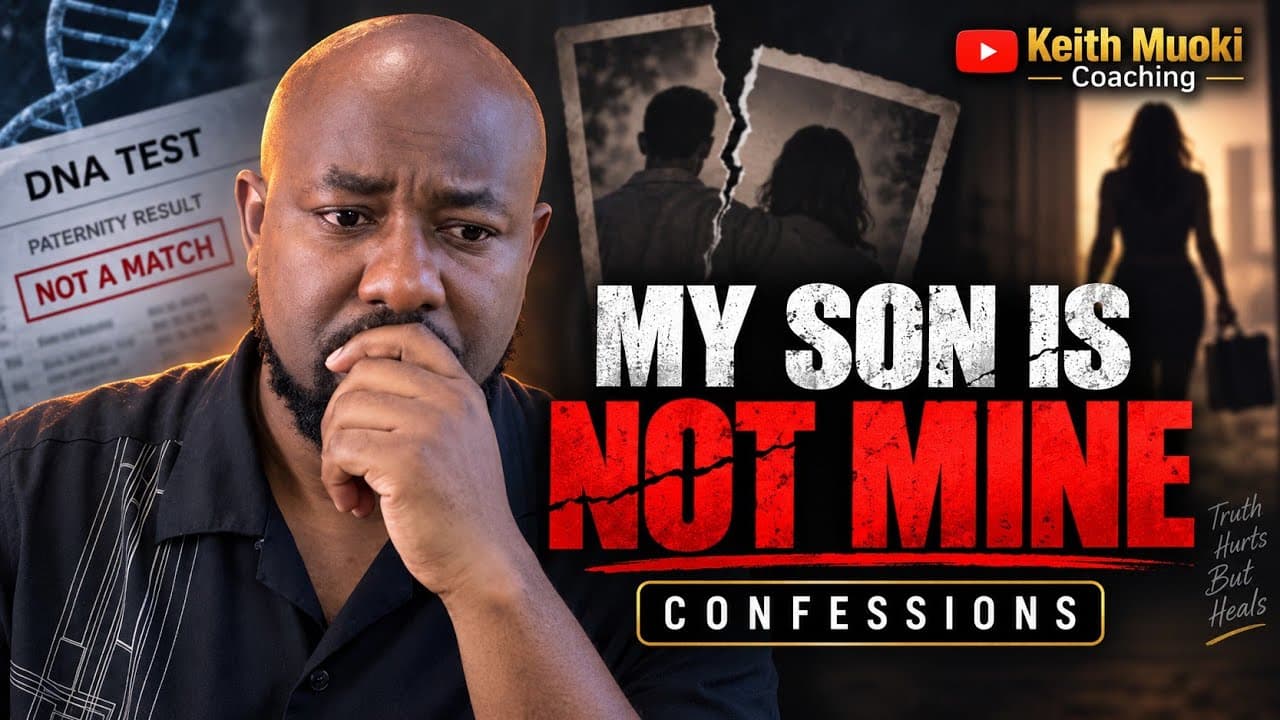
The result is only a few lines on a page. Not the biological father. Yet those words seem to reach backward through sixteen years.
The first day of school. The bicycle lessons. The nights beside a sick child. A man looks at the boy who calls him Dad and feels love and betrayal at the same time.
The child did not create the secret
The story Keith Muoki responds to begins with an adult secret, but the child did not create it. That matters because pain often looks for the nearest place to land. Walking away from the boy may feel like rejecting the lie, yet it would place the cost of adult choices on someone innocent.
Biology answers one question. It identifies origin. It does not erase who stayed, cared, taught and loved. Sixteen years of fatherhood remain real even when the family story changes.
Explanation is not the same as repair
The wife may say she was afraid or believed the child was her husband's. Her fear can explain silence, but it cannot remove the husband's right to feel deceived. Forgiveness should not be demanded before grief has spoken.
He needs room to be angry without becoming cruel. He may need legal advice, counselling and careful support before making permanent choices.
Truth must be handled with care
Telling the child in rage could break his sense of safety. Hiding everything forever may create another secret that grows heavier with time. Any disclosure should be planned around his age, wellbeing and access to qualified support.
Fatherhood and marriage are separate decisions
The husband must decide separately what fatherhood means to him and whether the marriage can be rebuilt. He may continue loving the child while setting firm boundaries with his wife. He may forgive without pretending trust has returned.
Trust, if it returns, will need truth, responsibility and time. A DNA result can change facts. It cannot decide character.
The question is not whether the betrayal matters. It does. The question is whether another person's wrong will be allowed to destroy every good thing he built before he knew.
Grief does not move in a straight line
One morning he may feel certain that love is stronger than biology. That afternoon, a family photo may bring anger back with full force. This does not make him unstable or cruel. It means the truth has touched many parts of his identity at once: husband, father, provider and man. Healing will require time because each part of the story must be understood again.
People around him may demand a quick decision. Some will tell him to leave immediately. Others may use faith or family honour to push instant forgiveness. Neither crowd has to wake up inside his life. Wise support gives him room to slow down, protect the child and make separate decisions about the marriage, legal duties and future contact.
The boy will need a stable truth
At sixteen, a child can sense when adults are hiding a serious crisis. He may wrongly believe the tension is his fault. The adults should agree on a careful path with a qualified family professional where possible. The message must remain clear: you did nothing wrong, you are loved, and the adults will carry responsibility for what happened.
The biological father may also become part of later questions. That possibility should be handled through safety, law and the child's wellbeing, not through revenge. The man who raised him does not have to compete with DNA to prove that his years mattered. His steady presence already tells that story.
The marriage will need more than an apology
If the couple chooses to explore repair, the wife must be willing to answer hard questions without controlling the husband's pace. Trust was damaged not only by what happened before marriage, but by the years in which uncertainty was hidden. Full honesty may reveal further pain. It is still the only ground on which a new marriage between them could stand. Partial truth keeps the old fear alive.
The husband also needs places where his pain is not turned into entertainment. Public shame, angry social posts or careless family gossip could harm the boy for years. A small circle of mature support is safer. He can tell the truth without making the child's identity a public punishment. Privacy here is not protecting deceit; it is protecting an innocent person while adults work through consequences.
In time, he may discover that fatherhood is both a fact and a choice. Biology matters, especially for health and identity. Daily love matters too. Holding both truths will be difficult, but he does not need to destroy one to accept the other. The years he gave were not fake simply because part of the story was hidden from him.
Share this article
Send this article directly to someone who may need it.
Source video