
She Finally Stopped Complaining. Why Does the Silence Feel Worse?
The house is quieter, but peace and emotional withdrawal can look alike from a distance. The difference is found in warmth, effort and hope.
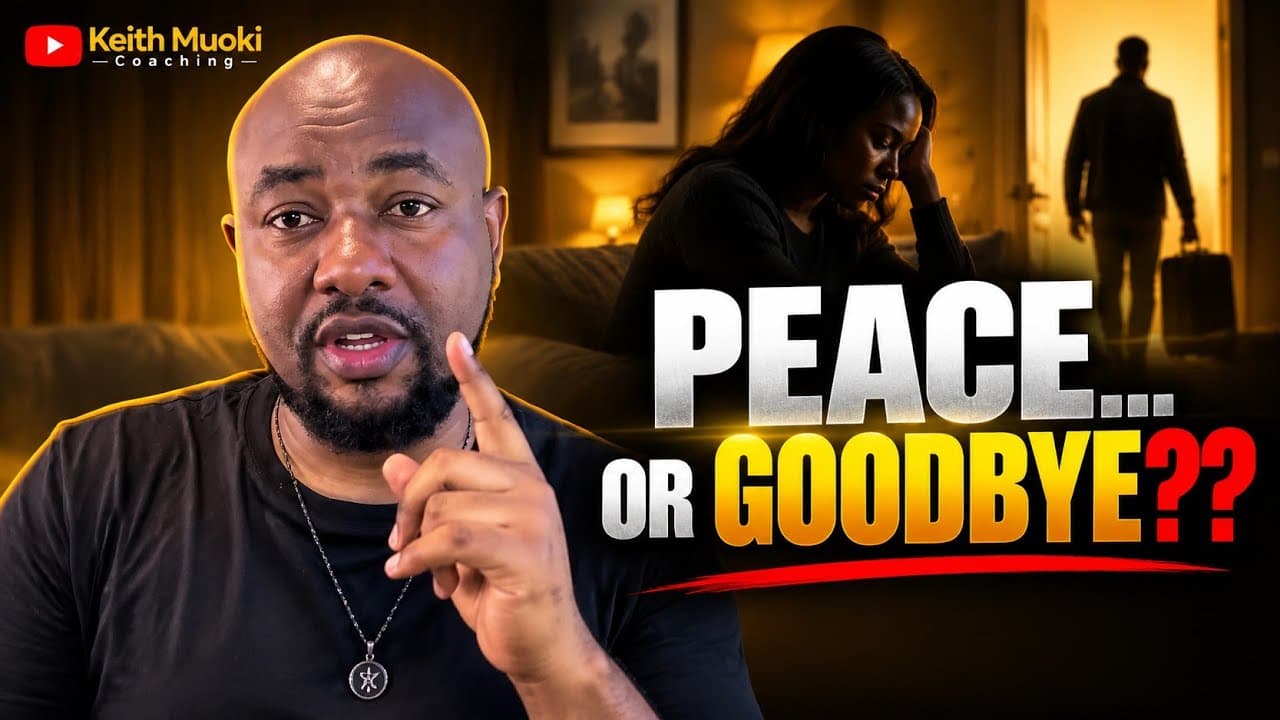
For months, the same complaint came back. You never listen. We do not spend time together. I feel alone in this house.
Then one day it stops. There is no argument at dinner. No long message. No demand to talk. The quiet feels like victory until you notice that her laughter, questions and plans have gone quiet too.
Peace still carries warmth
Keith Muoki asks people to look beyond the absence of noise. Peace after repair still has warmth. Two people reach for each other, make plans and show interest. Emotional withdrawal is different. The person may be physically present while hope has already left the room.
A complaint can be a bid for connection
A person may repeat an issue because they still believe being understood could change something. When every attempt is dismissed, mocked or delayed, the complaint may stop because expectation has died.
Silence alone cannot tell you what happened. Watch the energy around it. Does she still share small parts of her day? Is affection natural? Are both of you building anything together?
Ask before the distance becomes permanent
Do not wait for a dramatic exit before becoming curious. Ask with humility: I have noticed we do not talk about this anymore. Did we solve it, or did you stop believing I would hear you?
Then make room for an answer you may not enjoy. Listening is only the beginning. If the issue is real, repair needs action that can be seen and repeated.
Quiet is not the same as safe
This idea applies to any partner. People often become quiet when speaking has felt useless. A relationship is not healthy because nobody argues. It is healthy when truth can be spoken without punishment and both people remain willing to respond.
What has become quiet in your relationship, and was it truly healed?
Notice what disappeared with the arguments
Look beyond the disputed topic. Did playful messages stop too? Did plans become individual instead of shared? Does your partner still bring you good news first, or have you become the last person to know? Emotional distance often appears in small changes before anyone says the relationship is ending. These signs do not prove a decision has been made, but they deserve attention.
Avoid turning observation into surveillance. Checking a phone, testing affection or creating jealousy will add fear to an already weak connection. The aim is not to catch someone leaving. It is to make honest conversation possible while there is still something both people may want to repair.
Repair must match the wound
If the complaint was about carrying the home alone, flowers do not redistribute the work. If it was about cruel speech, a holiday does not create respect. Ask what change would make daily life feel different, agree on something clear and return to the conversation after enough time has passed to see a pattern.
Sometimes the honest answer is that one partner no longer wants to rebuild. Listening cannot guarantee reunion. It can still prevent more harm and allow both people to make decisions with dignity. The purpose of noticing silence is not control. It is truth before distance becomes the only language left.
Connection returns through repeated safety
A partner who has stopped speaking may not open up after one invitation. They may be watching to see whether this new interest survives discomfort. Do not demand immediate warmth as payment for a single good conversation. Keep listening, follow through on agreed changes and allow trust to move at the speed created by the earlier hurt.
Both people still carry responsibility. Silence can protect someone for a while, but it cannot build intimacy forever. The withdrawn partner may eventually need to risk clear words again. The listening partner must show that those words will be handled with respect. Repair becomes possible when honesty no longer feels like handing the other person a weapon.
If every attempt leads to contempt, fear or punishment, outside support may be necessary. Coaching can help with patterns and decisions; qualified therapy or local services may be needed where trauma, violence or serious mental-health concerns are present. Seeking help is not proof that the relationship failed. It is an honest response to a problem the couple cannot safely carry alone.
Share this article
Send this article directly to someone who may need it.
Source video